Certified Pest Control Services in Upper Manhattan
Safeguard Your Home: Essential Pest Control Strategies for Homeowners
Proper pest management is crucial for homeowners looking to preserve a safe and healthy home environment. Infestations can result in notable health risks and substantial harm to your home. Grasping the significance of proactive pest management approaches is critically important. This involves identifying frequently encountered pests and the dangers they present. However, many homeowners remain unsure of where to start. The information below will detail key strategies to protect your home from these pests and examine lasting solutions for ongoing prevention.
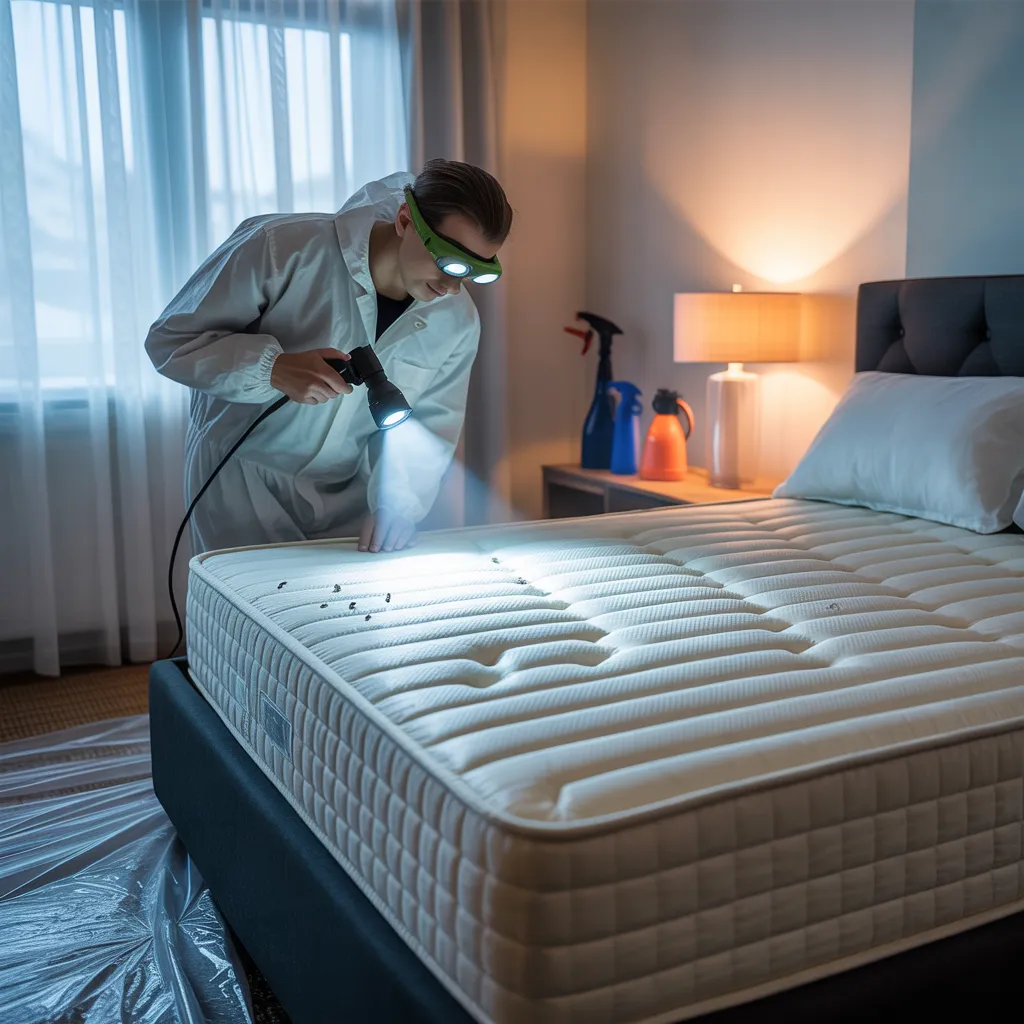
The Importance of Pest Control in Your Home
Proper pest management is essential for keeping a safe and healthy living space. Common pests including rodents, insects, and termites can pose significant threats not only to the condition of your property but also to the well-being of residents. These unwanted visitors can pollute food stores, carry harmful diseases, and provoke allergic responses. Moreover, the destruction to property brought about by pests, most notably termites can lead to costly repairs and decreased property value.
Homeowners frequently underestimate the value of routine pest control, assuming that infrequent encounters are not a concern. That said, early detection and consistent prevention measures can mitigate potential infestations. Taking a preventive stance on pest management guarantees a safer living space and supports general well-being.
In addition, pest control offers mental relief, letting families dedicate their attention to day-to-day tasks without the stress of unwanted pest disturbances. At the end of the day, prioritizing reliable pest management is vital for preserving a peaceful and stable home setting.
Key Steps to Prevent Pest Infestations
Even though pests can enter any residence, applying key preventive strategies greatly reduces the chance of pest problems. Residents are advised to begin by sealing cracks and crevices in windows, doors, and walls, which serve as entry points for unwanted visitors. Regularly inspecting and repairing screens can further prevent pests from gaining access.
Keeping a clean environment is essential; food should be stored in airtight containers and spills promptly cleaned. In addition, homeowners are advised to oversee their outdoor spaces by pruning vegetation and ensuring gutters remain unobstructed to reduce potential nesting areas.
Appropriate waste management, utilizing secure lids on trash bins, also helps limit attractants. It is equally recommended to keep firewood stored at a distance from the house, as it can harbor pests. Lastly, routine evaluations by pest management experts help uncover problem areas and deliver targeted treatments, establishing a forward-thinking method for keeping pests at bay.
Common Household Pests and Their Risks
Common household pests, such as rodents, termites, and cockroaches, create substantial health threats and can lead to extensive property damage. Such pests not only spread harmful diseases but also undermine the structural soundness of homes. Homeowners should be aware of the potential dangers associated with these unwanted pests to successfully control their impact.
Common Pest Types
Identifying the various kinds of prevalent pests is essential for homeowners seeking to preserve a safe and healthy living environment. Some of the most common pests include ants, which can infiltrate kitchens in search of food, and cockroaches, known for their hardiness and swift breeding habits. Termites pose a significant threat to wooden structures, often going unnoticed until extensive damage takes place. Rodents, such as mice and rats, not only contaminate food but can also chew through wiring, leading to fire hazards. Additionally, spiders, while often harmless, can be unsettling and some species are venomous. Finally, bed bugs have become notorious for invading bedrooms and sleeping spaces, causing unease and distress. Detecting these unwanted guests is the initial measure in efficient pest elimination.
Health Dangers Identified
Domestic pests represent considerable health dangers, commonly resulting in a range of diseases and allergens. Rodents, for instance, can transmit hantavirus and leptospirosis through their droppings and urine, posing serious threats, especially to children and the elderly. Cockroaches are notorious for triggering asthma and allergic reactions due to their droppings and body parts. In addition, mosquitoes act as transmitters of diseases including West Nile virus and Zika, rendering their presence a serious public health threat. Ants can also be problematic, as certain species can contaminate food and introduce bacteria. Termites, while primarily known for property damage, can exacerbate respiratory issues if their droppings are inhaled. Being aware of these health dangers is crucial for homeowners striving to sustain a secure and healthy living space.
Property Damage Worries
Pests present not only serious health hazards but also endanger the structural soundness of residential properties. Common household pests, such as termites, rodents, and carpenter ants, can cause extensive damage if left unchecked. For instance, termites feed on wood and can weaken load-bearing beams, resulting in expensive repair work. Rodents frequently chew on electrical cables, generating dangerous fire hazards and causing additional harm to walls and insulation. Carpenter ants bore through wooden structures to establish colonies, gradually compromising the integrity of the building over time. Moreover, moisture-dependent pests including cockroaches can accelerate mold proliferation, compounding structural deterioration. Homeowners must recognize the risks associated with these pests and implement effective control strategies to safeguard their properties from potential damage, ensuring a safe and secure living environment.
Practical DIY Methods and When to Call a Professional?
Homeowners can manage many pest issues through proven DIY approaches that make use of commonly accessible materials and strategies. Simple solutions including sealing openings, utilizing essential oils, or placing traps can greatly reduce the number of pests. To illustrate, a mixture of vinegar and water can deter ants, whereas diatomaceous earth can be applied in areas where insects are prevalent.
However, there are cases when DIY approaches may come up short. If infestations intensify or if pests such as termites and rodents pose a threat to your home's structure, enlisting expert assistance becomes critical. Moreover, certain pests may require specialized treatments that are not suitable for the average household to manage on their own. Being aware of the constraints of DIY approaches is essential; acting proactively can preserve valuable time and money. All things considered, a comprehensive plan, merging practical DIY methods with expert help when needed, will secure a home free from pests.
Environmentally Friendly Pest Management Strategies
For homeowners interested in green alternatives, eco-friendly pest control strategies offer effective alternatives to traditional methods. Homeowners can utilize natural repellents like plant-based essential oils, vinegar, and diatomaceous earth to repel pests while avoiding toxic substances. These substances can disrupt pest habits and establish conditions that discourage pest activity.
Moreover, introducing beneficial insects, including ladybugs and green lacewings, can assist in controlling damaging insect populations naturally. Planting pest-repelling flora, like lavender or marigolds, greatly boosts the garden's natural protection whilst supporting natural diversity.
Regular maintenance practices, encompassing blocking potential entry spots and maintaining tidy living areas, can substantially decrease the appeal of your home to pests. Through implementing these environmentally conscious methods, property owners simultaneously defend their homes and promote environmental well-being. This method encourages a harmonious natural balance, ensuring that pest management does not come at the expense of the planet.
Ways to Keep Your Home Free of Pests All Year Long
In order to sustain a pest-free household year-round, property owners ought to adopt seasonal prevention measures designed for particular pests. Routine preventive measures, such as sealing entry points and keeping living areas clean, are vital in discouraging unwanted pest activity. When these strategies are used together, homeowners can establish a reliable defense against intrusive pests.
Seasonal Pest Prevention Tips
Even though pests may infiltrate homes at various times, changes in the seasons tend to provoke their presence, making it vital for residents to implement effective prevention strategies year-round. As spring arrives, homeowners ought to concentrate on sealing entry points, as insects emerge from hibernation. Summer brings an increase in ants and mosquitoes; as a result, consistent lawn upkeep, such as cutting back plants, is necessary. In autumn, rodents seek shelter, so it's important to check for gaps around doors and windows. The winter months demand careful attention to warmth-seeking pests; sealing pipes and storing firewood at a distance from the house can help prevent pest problems. By tailoring prevention approaches to match each season, residents can significantly lower the chances of pest issues all year long.
Ongoing Maintenance Practices
Ongoing maintenance routines are vital for homeowners seeking to preserve pest-free environments in their homes year-round. Regular inspections of the home's exterior can identify potential entry points, such as cracks or gaps in doors and windows. Closing off these gaps decreases the chances of pests entering the home. Additionally, homeowners should maintain cleanliness by promptly addressing spills and storing food in airtight containers. Regular garden upkeep, such as cutting back shrubs and clearing away debris, also reduces areas where pests can thrive. Regularly checking and cleaning gutters prevents water accumulation, which attracts unwanted insects. Lastly, arranging professional pest control evaluations allows for the early identification of problems, supporting a proactive stance on pest management. Together, these methods help create a more secure and pest-resistant living space.
Commonly Asked Questions
How Do I Recognize a Pest Infestation in My House?
To identify a pest infestation, homeowners should watch for clues such as droppings, gnaw marks, nests, or visible insects. Unexplained damage or strange noises can also be signs of a pest problem in the home.
Do Certain Pests Follow Seasonal Patterns?
Indeed, particular insects and pests are influenced by seasonal changes. For instance, termites and ants often appear in the spring season, while small rodents are known to seek cover in the fall season. Knowledge of these cycles assists homeowners in being able to prepare and implement effective pest control measures throughout the year.
What Are the Signs of a Termite Problem?
Signs of a termite presence include mud-like tubes on surfaces, hollow-sounding wood, discarded wings, and frass that looks like sawdust. Residents should examine these signs promptly to minimize the risk of major structural damage.
How Often Should I Inspect My Home for Pests?
Homeowners should inspect their properties for infestations at least quarterly. Routine checks make it possible to spot potential pest issues early, enabling swift treatment. Changes in weather patterns may also affect pest activity, requiring increased vigilance during hotter periods of the year.
Can Household Pets Attract Insects Into Your Home?
Pets can indeed attract pests into a home. Their hair, droppings, and leftover food create perfect environments for insects and click here rodents, making consistent grooming and housekeeping necessary to limit pest concerns that come with having pets.